
2026 Guide to Cat Vaccines Part 2: What Vaccines Are Important and Why
Did you know that according to the American Veterinary Medical Association, vaccinating your cat can prevent up to 90% of common cat diseases? As a cat owner, it's your responsibility to ensure your furry friend lives a long, healthy life—and vaccines can play a big role in that. In this part 2 of the 2025 vaccine guide, I'll break down which cat vaccines are truly essential in 2025 and 2026, the reasons behind each shot, cost expectations, and how to confidently discuss these choices with your vet. Plus, you will learn how to prepare your kitty for vaccine visits, spot potential side effects, and know when it's time to call the vet. Let’s dive in!
Core Cat Vaccines: Why Are They Needed?
These are essential vaccines that are highly recommended (one required by law) for all cats and dogs, regardless of lifestyle or location. They are protection against diseases with higher mortality rates, diseases that are highly contagious between cats or between dogs (sometimes contagious to humans). If your kiddo gets infected with any of the FVRCP diseases, they are recommended to isolate in your home for a period of time or stay at an overnight animal hospital.
Feline Viral Rinotacheitis, Calicivirus, Panleukopenia: FVRCP
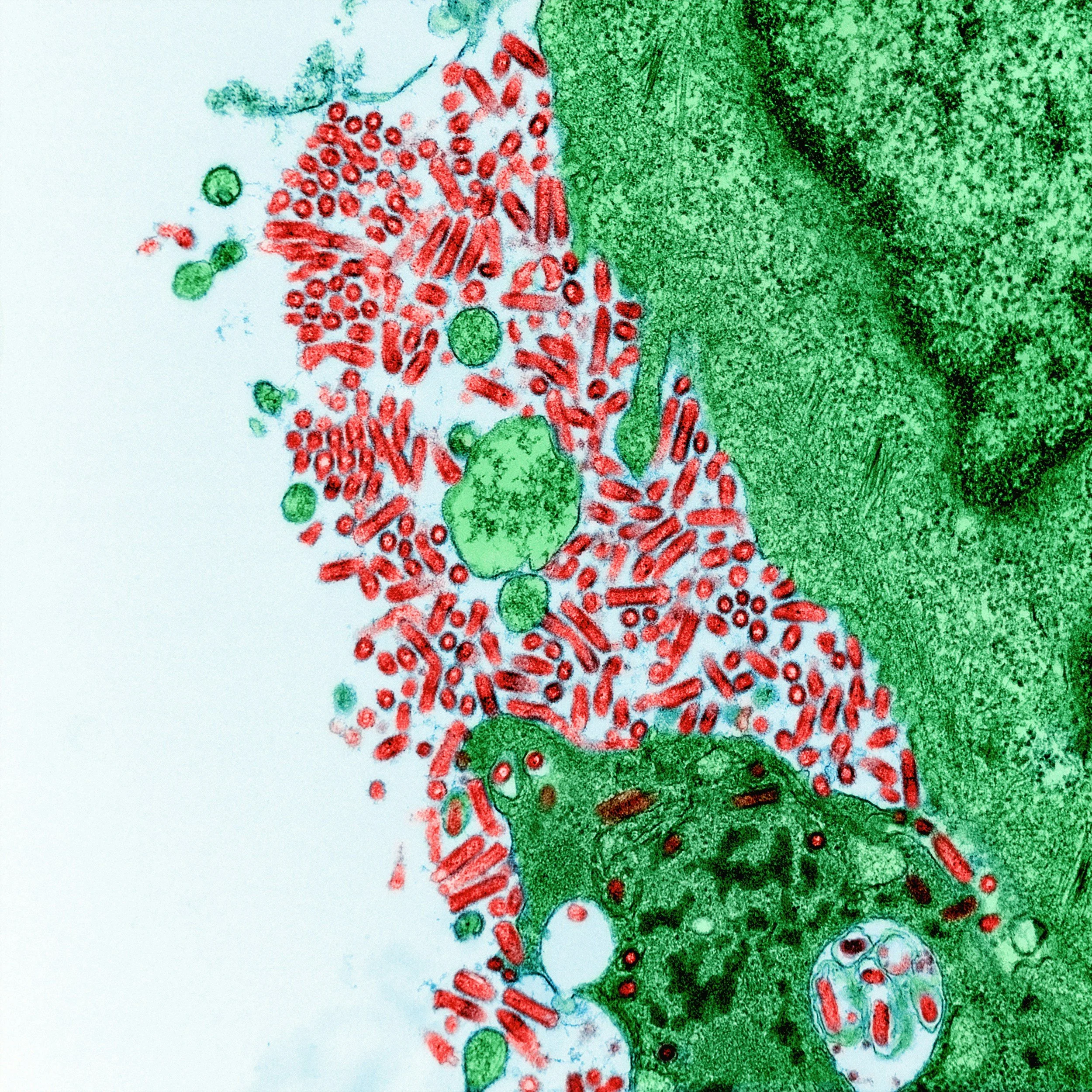
Feline Viral Rhinotracheitis: “FVR”: This is a highly contagious (between cats) respiratory, viral infection caused by the Feline Herpesvirus type-1 (FHV-1). This is transmitted through direct contact with nasal, saliva and/or eye secretions of an infected cat. This can be a 1- or 3-year vaccine itself.
Calicivirus: “C": A highly contagious viral upper respiratory infection (URI), also known as, “cat flu”.
Panleukopenia: “P”: A highly contagious viral infection caused by the feline parvovirus (not like dog parvovirus, therefore, not contagious to dogs). This is also known as, feline distemper. It mainly affects a cat’s immune system causing vomiting, diarrhea, lethargy, fever, and dehydration. This disease tends to be most common in kittens (just like canine parvovirus for puppies).
Chlamydophila felis (FVRCP-C or FVRCP-Ch): This is a bacterial infection and inflammation of the eye (conjunctivitis “pink eye”). This is where the eye gains discharge, is very swollen and red. It can cause sneezing and nasal discharge especially in kittens. It is highly contagious between cats.
Why is this a combination vaccine for so many diseases?
These diseases are not as intense and deadly as Rabies, therefore, can safely be combined, but still detrimental enough to be a core vaccine. Rabies does need to be its own vaccine. Most kiddos do not enjoy the vet, let alone being poked with a needle. Combining the vaccine allows less stress on the kiddo and the owner. It is also cost-effective for both the practice and the owner.
How Often to Booster
FVR is two boosters 3-4 weeks apart to start. Then your kiddo will receive the 3rd booster in 1 year. It can be switched to every 3 years after the 3rd booster and your clinic provides it.
FVRCP is given initially at 8 weeks old then, they receive 3 more boosters after that. After the 4th booster, they are good for a year. There is no 3-year FVRCP vaccine, unfortunately.
Common Places to Catch These Diseases
The most common places to catch these diseases are shelters, cat breeding facilities, multi-cat home with indoor and outdoor cats.
Cost
FVRCP: $40-$50
Rabies: RV
You will realize I am reiterating everything I wrote in the previous article about this disease. I cannot stress enough how important it is to at least have the rabies vaccine even if your kiddo is purely indoor. My man proofread my “Part 1” article last night and he was shocked on how serious rabies was. Rabies is no joke, folks. Please, at the very least, get the Rabies vaccine to protect your kiddo, yourself and others. Every country is required to note on a public record how many known rabies cases are reported in their country. It is that serious.
Rabies is a viral infection that is spread through infected animal saliva. Most mammals that have gotten infected have been bitten by an infected animal. The virus is 100% fatal to all mammal (even humans), but preventable. Once symptoms start, the mammal usually passes within 3-4 days. This disease is zoonotic, which means it is transferable from animals to humans.
This disease is so serious that each country and each state have to report what mammal and how many mammals have been reported positive for the disease. The disease cannot be diagnosed, however, until the mammal dies.
Symptoms
Early signs can be very subtle, but once symptoms start things can escalate very quickly. Early signs of rabies virus are normally mild fever, loss of interest in food, and slight fatigue.
Severe symptoms tend to appear within 2 weeks of the early signs. More severe symptoms include:
Seizures and neurological symptoms and changes
Behavior changes (tend to be aggressive and want to bite)
Drooling
Paralysis
Dysphagia (difficulty swallowing)
Treatment
Unfortunately, there is no known treatment for Rabies. Pets tend to deteriorate in health within a few days of initial signs and symptoms. Typically, depending on the state and country, pet has to be euthanized if showing signs and symptoms of rabies virus.
Legal Requirements for Rabies Vaccination in the U.S.
By law, every pet is required to be up to date on Rabies vaccine starting at 4 months (16-18 weeks old). This is the only pet vaccine that is required by law.
Be sure to check laws varied by state and even by county because state and county laws can be more or less strict.
Rabies booster schedule is based on state and county laws. Some locations allow for a booster every 3 years, others require a booster every year.
Penalties for Non-Compliance with Rabies Laws
Be sure to do your research based on the state (or country) you live in and your local county. I will attach direct link(s) below.
Penalties for not complying with Rabies schedule laws vary by state and county.
General penalties according to federal law are:
Fines: Can range between $25- over $1000 depending on location. Some locations and circumstances will offer suspension or decrease in fine amount if owner agrees to get vaccination done by a specific date. For example, Denver has a $100 fine for a first offense, then a $250 fine for the second offense.
Quarantine: If an unvaccinated (never been vaccinated with rabies or for a long period of time) or overdue vaccinated pet is exposed to a rabid animal, authorities may require your pet to be under a strict quarantine at the owner’s expense.
Euthanized: Worst case scenario, an unvaccinated pet is exposed to a rabid animal, the pet is at risk to be euthanized. This is because rabies cannot be tested unless patient has passed and you don’t know if the patient has rabies at all when they are alive unless they are showing clear symptoms, unfortunately.
Jailtime or imprisonment: This not common, but not off the list. This can be due to repeat offenders or depends how severe the rabies was and how it was caused.
How Often to Booster
Rabies vaccine is given at 16-18 weeks for puppies and kittens (ferrets even receive the vaccine). Once a pet receives their first Rabies booster they get the following booster the following year (be sure not to be 3-4 weeks later on the booster due to get your kiddo vaccinated). After the first 2 rabies boosters, they can switch to a 3-year booster if your clinic provides it.
Cost
Rabies: $20-$35
Questions To Ask Your Vet
How often does my pet need to booster?
What combo core vaccines are available?
Are there any complication risks if my pet is immuno-compromised or chronically sick?
Non-Core Vaccines: Are They Necessary?
These are non-essential vaccines but still recommended by veterinarians. You can talk with the veterinary technician or veterinarian if your kiddo will need it based on their lifestyle (exposure risk) and budget.
FelV: Feline Leukemia Virus
This is a virus that attacks and weakens the immune system (specifically attacks white blood cells, immune system cells, bone marrow, red blood cells) in cats; therefore, they are more at risk of infections and even cancer. This is one of the biggest causes of cancer in cats- this is not a direct cancer like in humans. The FelV is a highly effective vaccine but does not 100% guarantee disease prevention. This is not a core vaccine because it is mostly recommended for cats who are exposed to the outdoors (other outdoor cats specifically) and shelters. It is important to get the FelV/ FIV test done before receiving the vaccine, so the test does not come back as a false negative. This vaccine is only given annually.
Cost
FelV: $35-$45
FelV/FIV Snap Test: $40-$60
Questions To Ask Your Vet
Does my cat need this vaccine if they are strictly indoor and I do not have any outdoor cats?
What are the pros and cons for my cat’s lifestyle?
Are there risks if my cat is immunocompromised or chronically sick?
How To Prepare for Vaccine Vet Visit Costs
Vaccine and vet visit costs will be dependent on country, state and city. Typically, in bigger cities, prices can be a bit higher because there will be many vet clinics under the National Vet Association (NVA) umbrella and the higher demand for vet clinics since pets are becoming more popular. Each of the vet clinics under the NVA umbrella are privately owned but are under corporate rules to make sure each clinic is following proper procedures and meeting AAHA requirements.
Private clinics not under the NVA umbrella are no less qualified, I would just keep an eye on reviews. I try to shoot for no less than 4.4 stars between google reviews and apple map reviews. Small town and privately owned vet clinics will more likely have the option for the vet to drive out to your home. This can be beneficial if your pet is overly aggressive and not fond of other animals.
Why Are Vet Visits So Expensive?
You know how expensive your medical insurance policy is and copays (if you have any)? Just like human medical clinics, medical equipment is in high demand and complicated to make, therefore, expensive. Veterinary X-ray machines may not be as updated and modern as human x-ray machines, but they are still expensive to purchase and expensive to maintain. So not only is prices going towards medical equipment, but the prices are helping pay the staff. I would note before saying anything about paying the staff, I was always told that being in the vet field is not a big money-making career choice, so you have to really love what you do in order to stay in the field. I was making $14.50 (minimum wage) even as a certified vet assistant. Even with the pay, I loved my job very much.
How To Find an Affordable Clinic or Insurance Wellness Plan
The biggest thing I can recommend is doing a lot of research. Look at reviews for each vet clinic and pick your top 3 choices. You are more than welcome to call and ask for prices for specific vaccines and ask if they provide a wellness pet plan or packages.
What are Wellness Packages?
A lot (not all) of NVA locations and some privately owned locations have “Wellness Plans” or bundled packages. These are monthly payments or discounted packages that cover a wellness visit, urgent care visit, specific bloodwork, specific tests and vaccines. Some packages provide discounts. These are extremely beneficial if you have the finances and would like to keep on top of your pet’s health.
The wellness package at a clinic I previously worked included specific vaccines entirely covered, a wellness visit, a urgent care visit, specific annual tests and specific annual bloodwork. They discounted the total cost of all the services provided on the plan. I believe it was quite a few hundred dollars less than what it would normally cost without the plan. So, if you have the money for it, it is worth it to have. I would note the fine print that some places have a week to 30-day cancellation policy.
Many pet insurance companies have wellness plans too. The only thing you would have to consider is that pet insurance does not work like human medical insurance, therefore, you would have to pay for costs upfront and the insurance company would reimburse you. This can be another good option especially since there are many more pet insurance companies and policies accessible now.
Typical Wellness Visit Cost
Wellness/ primary visit: $50-70
Rabies: $25-$35
FVRCP: $40-$50
FelV Vaccine: $40-$50
FelV/ FIV Snap test: $40-$60
Annual bloodwork: $100-$200 (this price window is varied based on what specific tests they have in their panels)
Senior annual bloodwork: $200-$300 (price varied on what tests they run in their panels, they typically have more tests in the senior panel than the basic panel)
Medicine: $10-$60 (depends on what medication your pet is on- you do have to have an annual visit in order to be prescribed the medication each year. It is so important to stay on top of this especially if your pet has a chronic life threatening disease)
These prices and options are not limited. It varies based on you and your pet’s lifestyle and situation. The best way to go about this is keep all of your pet’s medical records and receipts they provide you so you can keep track when their vaccines are due. Please feel free to call vet offices for prices and you can budget from there.
Post Vaccine Injection Potential Side-Effects
Typical post-vaccine reaction is lethargy, reduced appetite, injection site tenderness, mild swelling or low-grade fever. Anything more than this should be consulted with a veterinarian.
Allergic Reaction: We worry the most about this and this rare and an emergency. This can include face swelling, coughing, intense pain on injections site (note limping or intense crying or whimpering when site is touched). Let your veterinarian know if your kiddo has had any type of reaction after receiving a vaccine. They will either prepare injectable Benadryl beforehand or pain medications for you to take home (anti-inflammatories).
Mild lethargy and reduced appetite for 24-48 hours: Some kiddos will be tired; some will still be energetic then tired.
Injection site tenderness or mild swelling: It is good to keep in mind that some kiddos are more sensitive to vaccine itself and injection site pain than others. If you notice your kiddo is very, very sensitive to the touch after an injection you are more than welcome to request an anti-inflammatory. Most cats and dogs will sleep and jerk to the touch, but kiddos who are more sensitive will limp and/or cry to the touch.
Low-grade fever following vaccination: This is entirely normal, just like when humans receive vaccines. Their immune system kicks in therefore starts the process of a fever and lethargy to fight the vaccine.
Questions To Ask Your Vet
What side effects should I watch for?
How long do the effects typically last?
What should I do if my pet starts showing concerning symptoms?
Concerning Post-Vaccine Reactions: What do you do?
Allergic Reaction: This is a medical emergency, and you should either bring your pet back in (most preferable if doable) or to the closest vet office if your pet is wheezing, having a hard time breathing or is unresponsive. All vet offices have a crash cart (emergency medication and tools), but the best options for emergency situations is a pet emergency room or pet hospital.
Pain: Some pets have a lower pain tolerance, and the injection site is very sore. They could wine, scream, limp and not want to be touched. If this is the case you are more than welcome to call your vet after the vaccine and request pain relief. This, however, tends to be more common in dogs than cats. I am just noting this because there could be a rare case.
Allergy: Call your vet immediately if you notice face swelling, significant injection site swelling, wheezing or hard time breathing. They will be able to triage (read) your current situation on whether you can make it back to them or if you need to go to the closest clinic. Once you bring your pet to a clinic, if the situation is not severe, they will inject your pet with benedryl and monitor them for a while.
It is good to note when your pet had an allergy and what vaccine(s) your pet received that day. If you and your veterinarian were able to narrow down which vaccine or medication it could be, great, if not, vet staff will more likely take precautions for all future vaccines and give your kiddo Benadryl before all vaccines. It is an extra cost to receive Benadryl or extra medication with vaccines. You can ask your vet if you can give anything to your pet from home to try to save, but they will have the best recommendations for your pet and their specific situation.
Your vet will keep medical records of the situation, but it is good to have your own for your kiddo(s).
Questions To Ask Your Vet
What is the protocol if my cat has an allergic reaction at home?
Are there 24/7 emergency contacts for vaccine reactions?
Preparing Your Cat for Vaccination Appointment
There will be different opinions on how to go about this. So please be aware I am going off experience with my own pets and in the vet field.
I am going to be blunt. No pet likes the vet. Not one. Even if they seem well behaved, they would much rather be at home.
I am going to stress this because it helps you, your pet and the vet staff. Desensitize your kiddo as much as you can, as early as you can (once they are adapted to their new home). Touch with their mouth, ears, paws, lift their tail, touch their belly, pick them up, scuffing- you can do this gently (you do not have to do this one, but it is a method some clinics use depending how spicy the kiddo is, and a needle is involved). Do this frequently and provide treats throughout and each time. If they are not food motivated, lots of love and pets if they let you.
Many owners and staff do not like scuffing so many vet practices are doing their best to train their staff on alternatives. This is called the Fear Free method. If you would like you can search for clinics that specialize in this technique, but many practices are, again, doing their best to incorporate this method.
Why does vet staff scruff some cats?
This is a big controversial topic. I understand both and agree on both depending on the scenario.
You cannot talk to an animal and make them understand what you are doing while you are trying to poke them with a sharp thing or hold them in place, so the needle does not cause any injury other than injecting the vaccine. Cats can cry, bite, scratch, scream, and do their best to escape the situation. Cat bites are more prone to getting infected if it is deep enough. Some kiddos just melt or freeze because of being out of their home.
Fear Free method should be used at all costs until a kiddo starts attacking or going after the vet staff and the vet staff and owner have tried everything possible Fear Free (not as many do this, but there are enough cats that do- this tends to be barn cats but can be indoor cats too).
Fear Free Method cannot be incorporated by just the vet staff. There is much more of a success rate if owners help by desensitizing their pet at home and starting this as soon as possible (once they are adjusted to the new home).
Medications
In less common cases (and not everyone’s favorite), the veterinarian will prescribe medication (gabapentin) for you to give your pet the night prior to an appointment and the morning of the appointment. This is for patients who are so spicy that the vet staff cannot touch the pet without getting scratched or bit. Worst cases, a cat has to be sedated for an exam, vaccines and procedures. This is not as common, but I have seen it plenty of times to know it is a thing. It is important to talk with your veterinarian, budget the extra costs and be open and honest about how you feel about the situation. Pay attention to how your kiddo reacts to others. If your kiddo already does not like other people or animals, they will be the same or even worse at the vet especially since they are not exposed to the environment frequently.
Be open and honest with your vet staff if you are comfortable or uncomfortable with something. They will understand. If they do not understand or make you feel negative for expressing yourself, it will possibly be best for you to switch veterinarians or vet offices.
Calming Techniques to Try if Your Pet is Super Anxious
Pets and love- comfort your kiddo and talk to them through the process. They cannot understand you very well but hearing your voice can comfort them some
Bring treats and provide treats through the process
Bring their favorite blanket, pillow or toy
Questions to Ask Your Vet
How can I reduce my cat’s stress before and after an appointment?
Should I withhold food before the appointment?

Vaccinating your cat may seem overwhelming, but understanding which vaccines are crucial, their costs, and how to prepare makes the process so much easier! Always discuss your cat’s specific risks with your vet and ask plenty of questions—being proactive is the best way to keep your feline healthy. Remember, while mild side effects are common, knowing the warning signs of serious reactions can save your cat’s life.
You got this!