
2026 Guide to Cat Vaccines Part 1: What Vaccines Are Available to Cats?

As a cat owner, I understand the overwhelming feeling of standing in the vet's office, trying to decode medical jargon while your kiddo meows anxiously in their carrier. Which vaccines does your cat actually need? Are all those shots really necessary, or is your vet just padding the bill?
Here is the truth: cat vaccines are one of the most powerful tools we have to prevent deadly diseases. But not every cat needs every vaccine. The right vaccination schedule depends on your cat's lifestyle, age, health status, and risk factors. Whether you are a first-time cat parent or you have shared your home with cats for years, understanding the different types of cat vaccines empowers you to make informed decisions about your kiddo's health. In this 3-part, comprehensive guide, we will break down everything you need to know about cat vaccinations—from core vaccines that every cat should receive to optional vaccines for specific situations, plus expert insights on timing, side effects, and costs. In this first part, we will cover what vaccines are and what is available for cats.
What Is a Vaccine?
A biological contained liquid injected into the patient that contains weakened, killed or partial microorganism the resembles a disease. Its purpose is to stimulate an immune response, so the immune system learns to recognize and fight it to be the body is more prepared if the patient gains the full disease.
Note: Vaccines do not prevent disease or even death from particular diseases. They help prepare the body to fight the disease, so the patient does not suffer from the symptoms as harshly and is at less risk of death from that particular disease.
Vaccine Schedule for Kittens
Vaccines for kittens starts at 8 weeks and they receive their last vaccine series at 16-20 weeks. You are typically scheduled every 3 weeks starting at 8 weeks until your kitten receives the last series. The reason kittens are given a series of vaccines until 16-18 weeks is so their body can build immunity to these highly contagious diseases.
I know there are speculations of this otherwise, but I have learned and it is taught in schools, that it is safe to give kittens vaccines at 6-7 weeks, but is not guaranteed that the vaccine will work unless it is definitively given at 8 weeks according to studies. This is because after a kitten is born, they feed on the mother’s milk within the first 4 hours of being born. During this time, they receive colostrum which is full of natural and strong antibodies to help the kitten start building an effective immune system. It is possible for these antibodies to overpower the vaccine biologic before 8 weeks old.
If the vaccine is a booster series, it is also good to note that you have at most 4 weeks to receive the next booster once you start the booster series for a kitten or adult cat because it will lose its strength to be able to help the young kiddo on building immunity. It would require you to bring your kiddo in for one extra vaccine each time you are late. Do not get the vaccine done before the 3-week period either. It will be too soon to booster off of the previous vaccine as the booster will not be effective enough.
Vaccine Schedule for Adult Cats
After the kitten series, adult cats can receive regular annual boosters unless the veterinarian has brands with 3-year booster for Rabies, FVR or FVRCP. If an adult cat does start a new vaccine, you do have to booster it in 3-4 weeks (no more-no less).
FVRCP needs 4 boosters every 3-4 weeks to complete the series. Rabies only needs a booster in 1 year. Every other vaccine needs 2 boosters with 3-4 week wait period in between then they are annual after the 2nd booster.
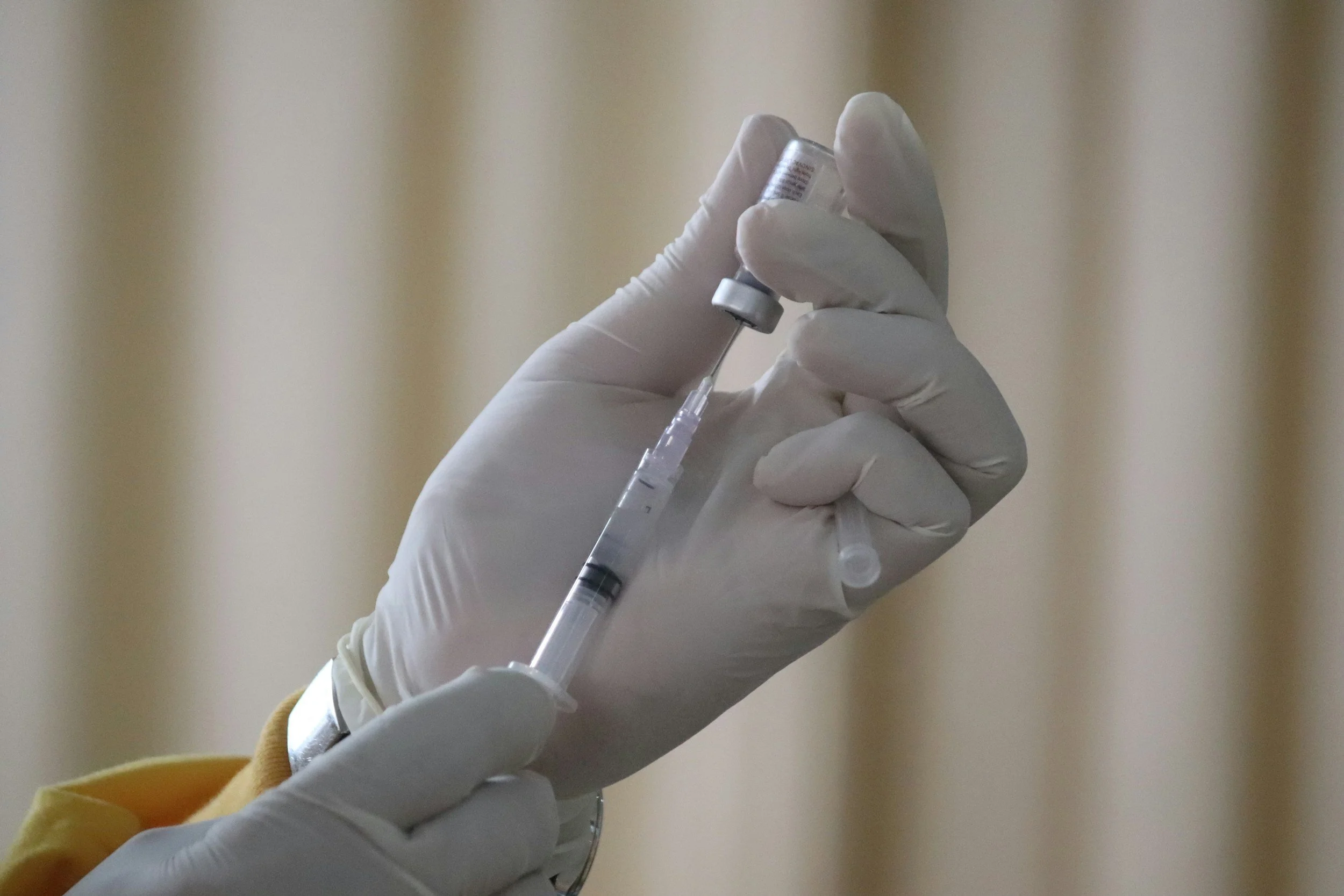
Understanding Core vs. Non-Core Vaccines
Core Vaccines and Why They Matter
Core Vaccines: Essential vaccines highly recommended (one required by law) for all cats and dogs, regardless of lifestyle or location. They are protection against diseases with higher mortality rates, diseases that are highly contagious between cats or between dogs (sometimes contagious to humans).
Core Vaccine Names: Rabies (required by law) and Feline Distemper (Feline Panleukopenia)
Non-Core Vaccines
Non-Core Vaccines: Non-essential vaccines but still recommended by veterinarians. You can talk with the veterinary technician or veterinarian if your kiddo will need it based on their lifestyle (exposure risk) and budget.
Non-Core Vaccine Names: Feline Leukemia Virus (Felv), Feline Immunodeficiency Virus (FIV)- not currently a vaccine but is highly recommended for testing.
Understanding the 3 Types of Vaccines
Modified Live Virus (MLV): A weakened, live version of a virus is used to trigger a strong immune response which mimics a natural infection without causing the actual disease.
Killed: A type of vaccine that uses a dead or inactive virus or bacterium. This ensures that the virus or bacterium cannot replicate or cause infection, especially to immuno-compromised kiddos.
Recombinant: This contains a genetically engineered protein or antigen that is similar to specific to a virus or bacterium that triggers an immune response.
Post Vaccine Injection Potential Side-Effects
Allergic Reaction: We worry the most about this and this rare and an emergency. This can include face swelling, coughing, intense pain on injections site (note limping or intense crying or whimpering when site is touched). Let your veterinarian know if your kiddo has had any type of reaction after receiving a vaccine. They will either prepare injectable Benadryl beforehand or pain medications for you to take home (anti-inflammatories).
Mild lethargy and reduced appetite for 24-48 hours: Some kiddos will be tired; some will still be energetic then tired.
Injection site tenderness or mild swelling: It is good to keep in mind that some kiddos are more sensitive to vaccine itself and injection site pain than others. If you notice your kiddo is very, very sensitive to the touch after an injection you are more than welcome to request an anti-inflammatory. Most cats and dogs will sleep and jerk to the touch, but kiddos who are more sensitive will limp and/or cry to the touch.
Low-grade fever following vaccination: This is entirely normal, just like when humans receive vaccines. Their immune system kicks in therefore starts the process of a fever and lethargy to fight the vaccine.
Feline Viral Rinotacheitis, Calicivirus, Panleukopenia: FVRCPP
This is a combination vaccine that is one out of the two core vaccines for cats and kittens. It is typically given every year and can be given every three years depending on the brand and veterinarian. These diseases are spread only between cats and can each be highly contagious. It has been seen a more risk of break-out in multi-cat environments like shelters, and breeding facilities.
Feline Viral Rhinotracheitis: “FVR”: This is a highly contagious (between cats) respiratory, viral infection caused by the Feline Herpesvirus type-1 (FHV-1). This is transmitted through direct contact with nasal, saliva and/or eye secretions of an infected cat. Treatment is symptomatic and you may need possible antibiotics to prevent respiratory bacterial infection. Fluids and food even if your kiddos are reluctant to eat. Your kiddo will be recommended to isolate either at home or at an overnight animal hospital. At an overnight animal hospital they will be places on fluids and given IV medications to help their system process the medications more efficiently. FVR can be given as its own vaccine as a three-year vaccine.
Symptoms include consistent sneezing and coughing for more than 24-48 hours, nasal discharge that started clear then may become yellow or green, fever (over 102 degrees Fahrenheit- over 39 degrees Celsius), lethargy, loss of appetite and possibly conjunctivitis (inflammation of the lining of the eye).
Calicivirus: “C": A highly contagious viral upper respiratory infection (URI), also known as, “cat flu”. Treatment includes anti-inflammatories and possible antibiotics to prevent bacterial infections while your kiddo recovers. Fluids and eating are highly recommended even if your kiddo is refusing. This is to prevent dehydration and so your kiddo can take medication if not being given IV.
Symptoms include sneezing, nasal discharge, conjunctivitis, fever, and oral ulcers (may develop on the tongue, gums and lips. They are painful. You can start to notice them if your kiddo is excessively drooling and having difficulty eating-or even drooling while eating).
Panleukopenia: “P”: A highly contagious viral infection caused by the feline parvovirus (not like dog parvovirus, therefore, not contagious to dogs). This is also known as, feline distemper. It mainly affects a cat’s immune system causing vomiting, diarrhea, lethargy, fever, and dehydration. This disease tends to be most common in kittens (just like canine parvovirus for puppies). Treatment may require hospitalization so they can keep your kiddo hydrated and manage the intense symptoms. It will require isolation just like canine parvovirus.
Chlamydophila felis (FVRCP-C or FVRCP-Ch): This is a bacterial infection and inflammation of the eye (conjunctivitis “pink eye”). This is where the eye gains discharge, is very swollen and red. It can cause sneezing and nasal discharge especially in kittens. It is highly contagious between cats. It is treated with antibiotics and/or eye drops. Some FVRCP vaccines include vaccine for this disease.
Why These Diseases are Combined in One Vaccine
These diseases are not as intense and deadly as Rabies, therefore, can safely be combined. Rabies does need to be its own vaccine. Most kiddos do not enjoy the vet, let alone being poked with a needle. Combining the vaccine allows less stress on the kiddo and the owner. It is also cost-effective for both the practice and the owner.

Rabies: RV
Understanding Rabies Virus and Why It is so Dangerous
Rabies is a viral infection that is spread through infected animal saliva. Most mammals that have gotten infected have been bitten by an infected animal. The virus is 100% fatal to all mammal (even humans), but preventable. Once symptoms start, the mammal usually passes within 3-4 days. This disease is zoonotic, which means it is transferable from animals to humans.
This disease is so serious that each country and each state have to report what mammal and how many mammals have been reported positive for the disease. The disease cannot be diagnosed, however, until the mammal dies.
Symptoms
Early signs can be very subtle, but once symptoms start things can escalate very quickly. Early signs of rabies virus are normally mild fever, loss of interest in food, and slight fatigue.
Severe symptoms tend to appear within 2 weeks of the early signs. More severe symptoms include:
Seizures and neurological symptoms and changes
Behavior changes (tend to be aggressive and want to bite)
Drooling
Paralysis
Dysphagia (difficulty swallowing)
Treatment
Unfortunately, there is no known treatment for Rabies. Pets tend to deteriorate in health within a few days of initial signs and symptoms. Typically, depending on the state and country, pet has to be euthanized if showing signs and symptoms of rabies virus.
Legal Requirements for Rabies Vaccination in the U.S.
By law, every pet is required to be up to date on Rabies vaccine starting at 4 months (16-18 weeks old). This is the only pet vaccine that is required by law.
Be sure to check laws varied by state and even by county because state and county laws can be more or less strict.
Rabies booster schedule is based on state and county laws. Some locations allow for a booster every 3 years, others require a booster every year.
Penalties for Non-Compliance with Rabies Laws
Be sure to do your research based on the state (or country) you live in and your local county. I will attach direct link(s) below.
Penalties for not complying with Rabies schedule laws vary by state and county.
General penalties according to federal law are:
Fines: Can range between $25- over $1000 depending on location. Some locations and circumstances will offer suspension or decrease in fine amount if owner agrees to get vaccination done by a specific date. For example, Denver has a $100 fine for a first offense, then a $250 fine for the second offense.
Quarantine: If an unvaccinated (never been vaccinated with rabies or for a long period of time) or overdue vaccinated pet is exposed to a rabid animal, authorities may require your pet to be under a strict quarantine at the owner’s expense.
Euthanized: Worst case scenario, an unvaccinated pet is exposed to a rabid animal, the pet is at risk to be euthanized. This is because rabies cannot be tested unless patient has passed and you don’t know if the patient has rabies at all when they are alive unless they are showing clear symptoms, unfortunately.
Jailtime or imprisonment: This not common, but not off the list. This can be due to repeat offenders or depends how severe the rabies was and how it was caused.

Feline Leukemia Virus: FelV
This is a virus that attacks and weakens the immune system (specifically attacks white blood cells, immune system cells, bone marrow, red blood cells) in cats; therefore, they are more at risk of infections and even cancer. This is one of the biggest causes of cancer in cats- this is not a direct cancer like in humans. The FelV is a highly effective vaccine but does not 100% guarantee disease prevention. This is not a core vaccine because it is mostly recommended for cats who are exposed to the outdoor (other outdoor cats specifically) and shelters. It is important to get the FelV/ FIV test done before receiving the vaccine, so the test does not come back as a false negative. This vaccine is typically given annually.
Symptoms: Include, but not limited to, loss of appetite (leading to weight loss), lethargy, fever, pale gums (sign of anemia), kiddo continuously getting chronic infections, diarrhea, poor coat condition. Note that for some kiddos, symptoms may not show for a period of time, therefore, you can get your kiddo tested with a Felv/FIV test before receiving the vaccine.
Transmission: Close contact to internal fluids and solids.
Treatment: There is no definitive cure for FelV. Vet team typically treats the infection or cancer the kiddo is currently fighting.
Feline Immunodeficiency Virus: FIV
FIV is a serious virus that attacks and weakens a cat’s immune system (specifically attacks white blood cells and immune system cells) making them more vulnerable to secondary infections, similar to HIV in humans. There is a vaccine for this disease, but not in the U.S. due to there being a controversy on whether it is effective or helpful. It is important to get your kiddo tested annually if they are outdoor cats or come in contact with outdoor cats especially since the U.S. does not have a FIV specific vaccine.
Symptoms: Include, but not limited to, fever, swollen lymph nodes, recurrent infections, loss of appetite (leading to weight loss), lethargy, poor coat quality, chronic diarrhea. Note that symptoms can remain dormant for years, therefore your cat can seem healthy until it is too late. You can get your kiddo tested with FelV/FIV test before receiving the vaccine.
Transmission: Saliva from infected cats, bite wounds from infected cats and transmission from mother to kittens.
Treatment: Unfortunately, there is no cure for this disease, therefore, treatment will be for the secondary infections and diseases the kiddo gains from a weakened immune system.

Cat Vaccine Costs: 2025-2026
Feline Viral Rinotacheitis, Calicivirus, Panleukopenia (FVRCP): $40-$50
Rabies: $20-$35
Feline Leukemia Virus (FelV): $35-$45
Cost for each vaccine will vary based on location, your cat’s health (if their health is not the best the doctor will write a note that your cat is exempt from a specific vaccine).
Protecting your cat with the right vaccines is one of the most important and cost-effective things you can do as a pet owner. You now have the start of knowledge to have confident, informed conversations with your veterinarian about which vaccines your feline friend truly needs!
Every cat is unique, and that's exactly why there's no one-size-fits-all approach to vaccination. Your indoor senior cat has different needs than your outdoor kitten. Your single-cat household requires a different strategy than a multi-cat home. This is where your veterinarian becomes your partner in customizing the perfect vaccination protocol—one that maximizes protection while minimizing unnecessary procedures and costs.
Don't be intimidated by the medical jargon or overwhelmed by the options. Start with the basics: core vaccines (FVRCP and rabies) are essential for virtually every cat. From there, work with your vet to determine whether non-core vaccines like FeLV make sense for your situation. Keep detailed records, set calendar reminders for boosters, and never hesitate to ask questions—good veterinarians love educated, engaged pet parents! Look out for part two of this series for more details on how to pick vaccines for your cat and the lifestyle you would like to provide for them.
You got this!