
2026 Guide to Dog Vaccines Part 1: What Are Vaccines?

Vaccines are one of the greatest gifts modern veterinary medicine has given our furry kiddos. Whether you’re a new puppy parent or a seasoned dog lover, understanding dog vaccines is essential to keeping your canine companion healthy and happy. In this comprehensive guide, I will break down what a vaccine is, explore each major dog vaccine, explain the dangers of the diseases they protect against, cover symptoms and treatments, provide cost breakdowns, and equip you with knowledge about potential side effects—so you know exactly when to call your vet. Let’s dive in!
What Is a Vaccine?
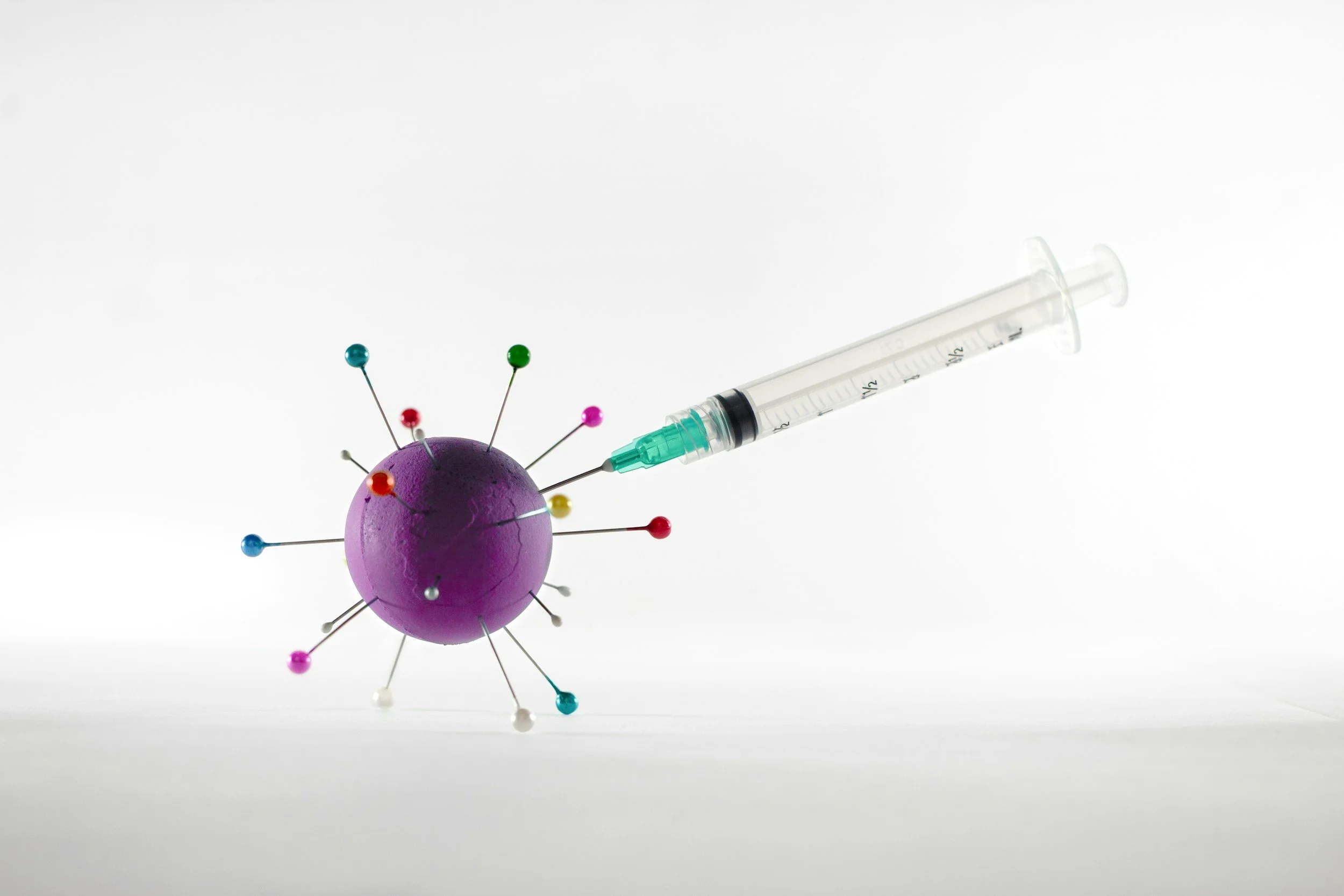
A biological contained liquid injected into the patient that contains weakened, killed or partial microorganism the resembles a disease. Its purpose is to stimulate an immune response, so the immune system learns to recognize and fight it to be the body is more prepared if the patient gains the full disease.
Note: Vaccines do not prevent disease or even death from particular diseases. They help prepare the body to fight the disease, so the patient does not suffer from the symptoms as harshly and is at less risk of death from that particular disease.
Vaccine Schedule for Puppies
Vaccines for puppies starts at 8 weeks and they receive their last vaccine series at 16-18 weeks. You are typically scheduled every 3 weeks starting at 8 weeks until your kiddo receives the last series. The reason puppies are given a series of vaccines until 16-18 weeks is so their body can build immunity to these highly contagious diseases.
I know there are speculations of this otherwise, but I have learned and it is taught in schools, that it is safe to give puppies vaccines at 6-7 weeks, but is not guaranteed that the vaccine will work unless it is definitively given at 8 weeks according to studies. This is because after a kitten is born, they feed on the mother’s milk within the first 4 hours of being born. During this time, they receive colostrum which is full of natural and strong antibodies to help the kiddo start building an effective immune system. It is possible for these antibodies to overpower the vaccine biologic before 8 weeks old.
If the vaccine is a booster series, it is also good to note that you have at most 4 weeks to receive the next booster once you start the booster series for a puppy or adult dog because it will lose its strength to be able to help the young kiddo on building immunity. It would require you to bring your kiddo in for one extra vaccine each time you are late. Do not get the vaccine done before the 3-week period either. It will be too soon to booster off of the previous vaccine as the booster will not be effective enough.
Vaccine Schedule for Adult Dogs
After the puppy series, adult dogs can receive regular annual boosters unless the veterinarian has brands with 3-year booster for Rabies or DHPP. If an adult dog does start a new vaccine, you do have to booster it in 3-4 weeks (no more-no less).
DHPP needs 4 boosters every 3-4 weeks to complete the series. Rabies only needs a booster in 1 year. Every other vaccine needs 2 boosters with 3-4 week wait period in between then they are annual after the 2nd booster.
Understanding Core vs. Non-Core Vaccines
Core Vaccines and Why They Matter
Core Vaccines: Essential vaccines highly recommended (one required by law) for all cats and dogs, regardless of lifestyle or location. They are protection against diseases with higher mortality rates, diseases that are highly contagious between cats or between dogs (sometimes contagious to humans).
Core Vaccine Names: Rabies (required by law) and Canine Distemper (Canine Panleukopenia)
Non-Core Vaccines
Non-Core Vaccines: Non-essential vaccines but still recommended by veterinarians. You can talk with the veterinary technician or veterinarian if your kiddo will need it based on their lifestyle (exposure risk) and budget.
Non-Core Vaccine Names: Bordetella, Leptospirosis (can be its own vaccine or combined with DHPP as DHPP-L), Canine Influenza (not the same as human influenza), and Lyme disease
Understanding the 3 Types of Vaccines
Modified Live Virus (MLV): A weakened, live version of a virus is used to trigger a strong immune response which mimics a natural infection without causing the actual disease.
Killed: A type of vaccine that uses a dead or inactive virus or bacterium. This ensures that the virus or bacterium cannot replicate or cause infection, especially to immuno-compromised kiddos.
Recombinant: This contains a genetically engineered protein or antigen that is similar to specific to a virus or bacterium that triggers an immune response.
Post Vaccine Injection Potential Side-Effects
Allergic Reaction: We worry the most about this and this rare and an emergency. This can include face swelling, coughing, intense pain on injections site (note limping or intense crying or whimpering when site is touched). Let your veterinarian know if your kiddo has had any type of reaction after receiving a vaccine. They will either prepare injectable Benadryl beforehand or pain medications for you to take home (anti-inflammatories).
Mild lethargy and reduced appetite for 24-48 hours: Some kiddos will be tired; some will still be energetic then tired.
Injection site tenderness or mild swelling: It is good to keep in mind that some kiddos are more sensitive to vaccine itself and injection site pain than others. If you notice your kiddo is very, very sensitive to the touch after an injection you are more than welcome to request an anti-inflammatory. Most cats and dogs will sleep and jerk to the touch, but kiddos who are more sensitive will limp and/or cry to the touch.
Low-grade fever following vaccination: This is entirely normal, just like when humans receive vaccines. Their immune system kicks in therefore starts the process of a fever and lethargy to fight the vaccine.
Dog Core Vaccines: What are they?
Rabies: RV
Understanding Rabies Virus and Why It is so Dangerous
Rabies is a viral infection that is spread through infected animal saliva. Most mammals that have gotten infected have been bitten by an infected animal. The virus is 100% fatal to all mammal (even humans), but preventable. Once symptoms start, the mammal usually passes within 3-4 days. This disease is zoonotic, which means it is transferable from animals to humans.
This disease is so serious that each country and each state have to report what mammal and how many mammals have been reported positive for the disease. The disease cannot be diagnosed, however, until the mammal dies.
Symptoms
Early signs can be very subtle, but once symptoms start things can escalate very quickly. Early signs of rabies virus are normally mild fever, loss of interest in food, and slight fatigue.
Severe symptoms tend to appear within 2 weeks of the early signs. More severe symptoms include:
Seizures and neurological symptoms and changes
Behavior changes (tend to be aggressive and want to bite)
Drooling
Paralysis
Dysphagia (difficulty swallowing)
Treatment
Unfortunately, there is no known treatment for Rabies. Pets tend to deteriorate in health within a few days of initial signs and symptoms. Typically, depending on the state and country, pet has to be euthanized if showing signs and symptoms of rabies virus.
Legal Requirements for Rabies Vaccination in the U.S.
By law, every pet is required to be up to date on Rabies vaccine starting at 4 months (16-18 weeks old). This is the only pet vaccine that is required by law.
Be sure to check laws varied by state and even by county because state and county laws can be more or less strict.
Rabies booster schedule is based on state and county laws. Some locations allow for a booster every 3 years, others require a booster every year.
Penalties for Non-Compliance with Rabies Laws
Be sure to do your research based on the state (or country) you live in and your local county. I will attach direct link(s) below.
Penalties for not complying with Rabies schedule laws vary by state and county.
General penalties according to federal law are:
Fines: Can range between $25- over $1000 depending on location. Some locations and circumstances will offer suspension or decrease in fine amount if owner agrees to get vaccination done by a specific date. For example, Denver has a $100 fine for a first offense, then a $250 fine for the second offense.
Quarantine: If an unvaccinated (never been vaccinated with rabies or for a long period of time) or overdue vaccinated pet is exposed to a rabid animal, authorities may require your pet to be under a strict quarantine at the owner’s expense.
Euthanized: Worst case scenario, an unvaccinated pet is exposed to a rabid animal, the pet is at risk to be euthanized. This is because rabies cannot be tested unless patient has passed and you don’t know if the patient has rabies at all when they are alive unless they are showing clear symptoms, unfortunately.
Jailtime or imprisonment: This not common, but not off the list. This can be due to repeat offenders or depends how severe the rabies was and how it was caused.
Canine Distemper, Hepatitis (Adenovirus), Parainfluenza, Parvovirus :DHPP
Canine Distemper
A highly contagious disease viral infection that can turn bacterial (can be fatal) that attacks a dog’s respiratory (risk of turning into bacterial infection if not treated), gastrointestinal and nervous systems.
Symptoms: Include, but not limited to, fever, eye and nasal discharge, coughing, diarrhea, vomiting and neurological sides
Tested: Usually, tested with a swab test of the nasal canal and/ or throat. It can also be tested through blood and urine. Owners may be asked to stay in vehicle while the kiddo is tested due to staff wanting to risk spreading of the disease in the practice to other patients.
Treatment: There is no direct cure, therefore, symptoms are treated. The kiddo would need to be isolated for a period of time and owner may be recommended to deep clean their home
Parvovirus
This is a highly contagious viral infection that is transmitted by direct contact with infected dogs, environment and even feces. Puppies are most at risk due to low- no immunity to the disease. This disease causes acute gastrointestinal illness.
Symptoms: Very first sign and concern owners tend to notice (especially in puppies) is blood in feces. This is due to the virus attacking the gastrointestinal lining. Other symptoms include lethargy, fever, loss of appetite, vomiting, diarrhea (early sign), rapid dehydration due to vomiting and diarrhea.
Testing: This disease is easily tested with a parvovirus snap test. Typically, if vet staff hear a puppy has bloody stools and diarrhea, we ask owners to stay in their vehicle, and they will go out in personal protection gear and do a butt swab. Owners may be asked to stay in vehicle while the kiddo is tested due to staff wanting to risk spreading of the disease in the practice to other patients.
Treatment: There is no cure for the disease, therefore, symptoms are treated. The kiddo would need to be isolated for a period of time and owner may be recommended to deep clean their home
Parainfluenza
A highly contagious respiratory infection that causes the bacterial infection, kennel cough (bordetella). High risk locations are boarding, grooming, shelter facilities and even dog parks. It is caused by the paramyxovirus. It is different than Canine Influenza due to the different strand of virus. This can be part of the DHPP vaccine or its own vaccine.
Symptoms: Include but not limited to, dry hacking cough, nasal and eye discharge, fever, lethargy, loss of appetite, throat inflammation.
Treatment: Antiviral drugs and symptomatic care.
Canine Hepatitis (Adenovirus)
A serious, contagious viral disease that attacks the liver, kidneys, eyes and blood vessels. Spread through contact with bodily fluids of infected canines (including wolves, foxes and bears). This includes urine, feces, eye discharge and nose discharge.
Symptoms: Included, but not limited to fever, lethargy, loss of appetite, eye and nose discharge, enlarged tonsils, vomiting, kiddo seems to be in discomfort or pain (sign of abdominal pain), and yellowing of skin and eyes (jaundice)
Testing: Is usually tested with blood tests of the liver and specific viral tests.
Treatment: There is not cure, therefore, symptoms are treated and medications are provided to prevent secondary (bacterial) infections
DHPP is provided only as an annual vaccine. If you do DHP, which excludes Parainfluenza) it is possible for it to be a 3-year vaccine.

Non-Core Vaccines: Optional, But Important
Bordetella: Kennel Cough
A highly contagious viral and bacterial respiratory infection that is spread through airborne droplets and contaminated surfaces. This is most common in boarding and grooming facilities.
Symptoms: Including, but not limited to, harsh hacking cough, gagging, eye and nose discharge, lethargy, decreased appetite, and fever
Treatment: There is no cure, therefore, symptoms are treated
This vaccine is only provided as a every 6 months vaccine.
Leptospirosis
A serious bacterial infection (can be fatal) that attacks mainly the liver and kidneys but will attack any vital organs. It is spread through contact with infected animal urine (other dogs, rodents, rabbits, raccoons and deer), contaminated water and contaminated soil. This vaccine is provided on its own and as part of the combination vaccine DHPP depending on the vet practice.
Symptoms: Included but not limited to, lethargy, fever, muscle pain and weakness, loss of appetite, vomiting and diarrhea (causing dehydration), increased thirst and urination, jaundice, abdominal pain, shortness of breath, and red eyes.
Treatment: There is no cure, therefore, symptoms are treated. This is a life-threatening disease, so it is recommended you bring your kiddo to the vet and they may need to stay overnight for monitoring.
This vaccine is only provided as an annual vaccine.
Lyme Disease
A bacterial infection that mainly attacks a kiddo’s joints and kidneys but also will attack vital organs as well. It is spread through deer ticks and ticks. This disease is prevented with a vaccine in high-risk areas and flea and tick prevention.
Symptoms: Included but not limited to, joint inflammation, lameness, fever, lethargy, loss of appetite, and swollen lymph nodes
Treatment: Initial treatment includes a 4-week course of antibiotics. Symptoms treated based on severity.
This vaccine is only provided as an annual vaccine.
Canine Influenza
A highly contagious respiratory infection that causes the bacterial infection, kennel cough (bordetella). High risk locations are boarding, grooming, shelter facilities and even dog parks. It is caused by the orthomyxovirus. It is different than Parainfluenza due to the different strand of virus. This is its own vaccine.
Symptoms: Include but not limited to, dry hacking cough, nasal and eye discharge, fever, lethargy, loss of appetite, throat inflammation.
Treatment: Antibiotic drugs and symptomatic care.
This vaccine is only provided as an annual vaccine.
Vaccine Cost Breakdown 2026
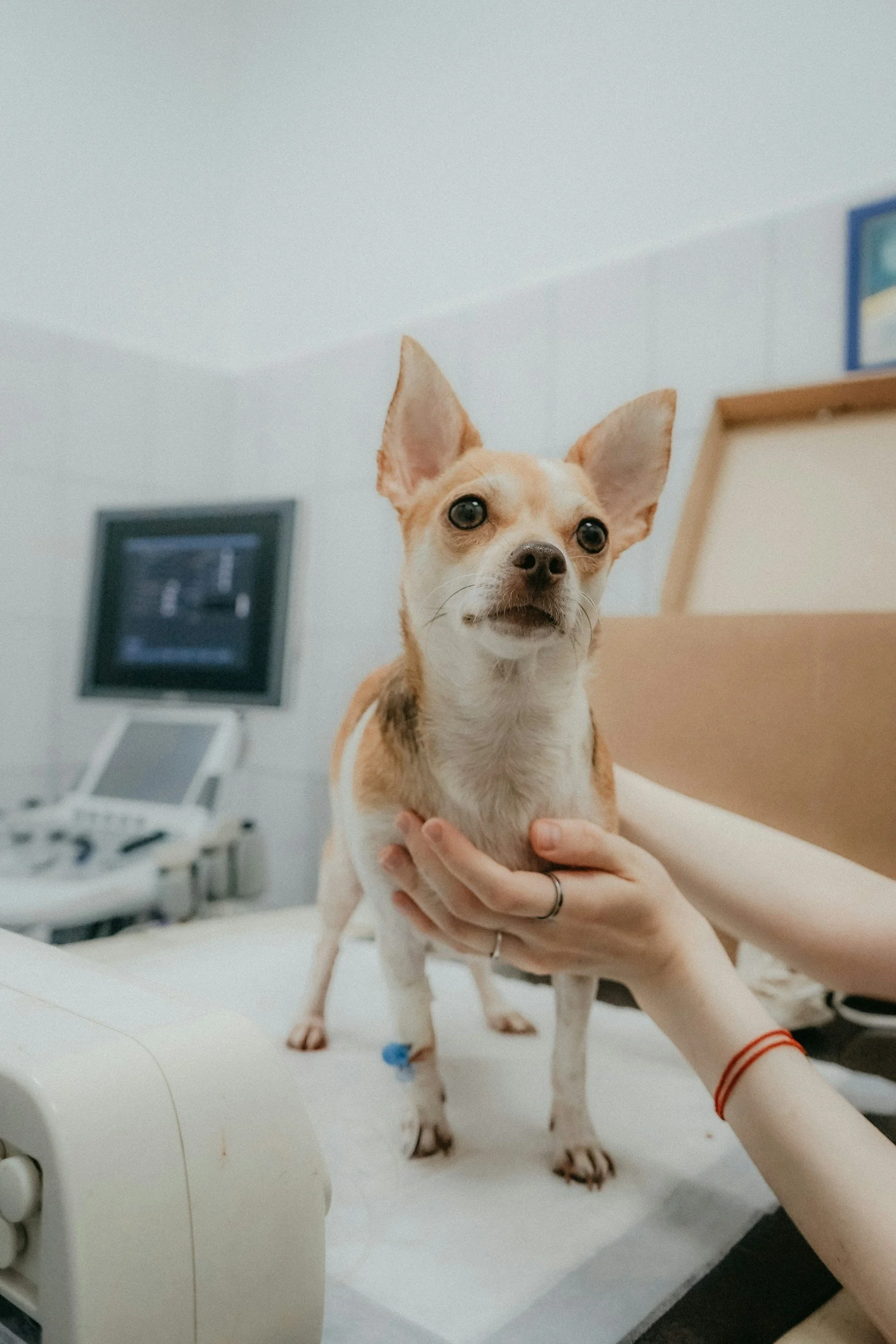
Cost per vaccine will vary based on location and practice. If you would like to save on vaccines, there are many clinics (usually in larger cities) that provide wellness plans that will discount vaccines for a monthly payment. There are also wellness plans through pet insurance policies that discount vaccines, but they reimburse your vet bill.
Vaccine Costs
Rabies (RV): $20-$35
Canine Distemper, Hepatitis (Adenovirus), Parainfluenza, Parvovirus (DHPP): $30-$45
Bordetella: $20-$35
Canine Influenza: $40-$50
Lyme Disease: $30-$50
Leptospirosis: $30-$50
Vaccinating your dog is not just a routine task—it is a powerful act of love and responsibility. By understanding what each vaccine does, the diseases they prevent, symptoms to watch for, treatment options, and costs, you’re making informed decisions that will help your dog thrive. Remember, mild side effects are common but always trust your instincts—if your pup seems really unwell, don’t hesitate to contact your vet. Stay informed, stay proactive, and give your dog the healthiest, happiest life possible. You got this!